A solar panel’s environmental story does not begin and end with the electricity it produces. Making panels and other system components requires materials and energy, while installation changes how a roof, parking area, or piece of land is used. Looking at the whole system avoids both blanket praise and blanket dismissal.
Production starts with materials
Most solar panels use silicon, along with glass, metals, and other materials. Mining, processing, manufacturing, and transport all have environmental effects, and those effects depend on how and where the components are made. A panel is therefore not impact-free simply because it generates electricity from sunlight.
Once installed, a panel can produce electricity without burning fuel at the point of generation. The overall comparison depends on factors such as the electricity source it displaces, the system’s output over time, and the energy used to manufacture and install it. Avoiding a universal claim is more useful than treating every installation as identical.
Where the system is placed
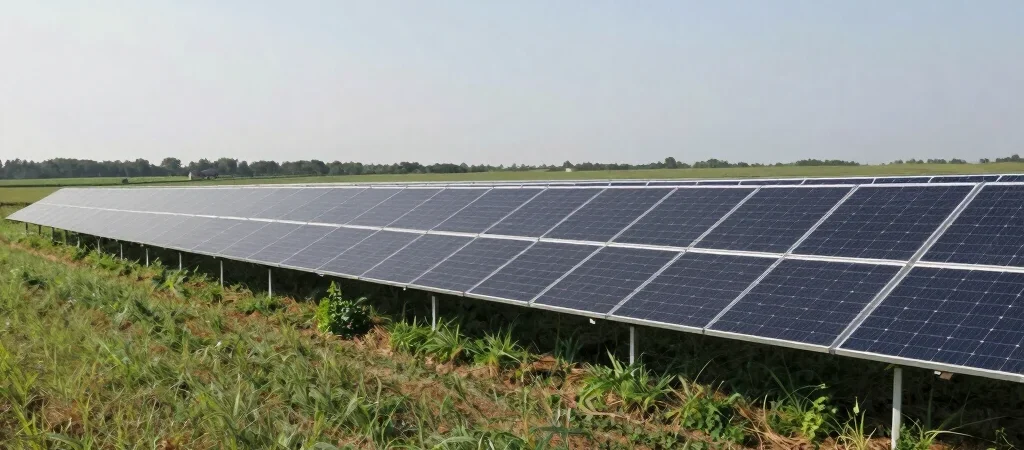
Rooftop systems use existing building surfaces, while larger ground-mounted projects occupy land that may have other uses or ecological value. Site choice matters: a previously developed area, a working landscape, and undisturbed habitat are not interchangeable contexts. The right questions include what was there before, what construction changes, and how the site will be managed.
Solar installations can also be built over parking areas or integrated with other land uses, though those approaches have their own design and maintenance considerations. Looking at the actual site is more informative than assuming that every project has the same footprint or impact.
Plan for the next phase
Panels and other equipment will eventually need repair, replacement, or removal. Recycling and disposal options vary by material and location, so end-of-life planning is part of responsible system design rather than an afterthought. Rules and available services can differ, making local guidance important.
When evaluating a solar project, ask three grounded questions: what electricity source is it expected to replace, what materials and land does it require, and what plan exists for equipment at the end of service? Those questions keep the discussion practical and make room for both solar’s benefits and its trade-offs.