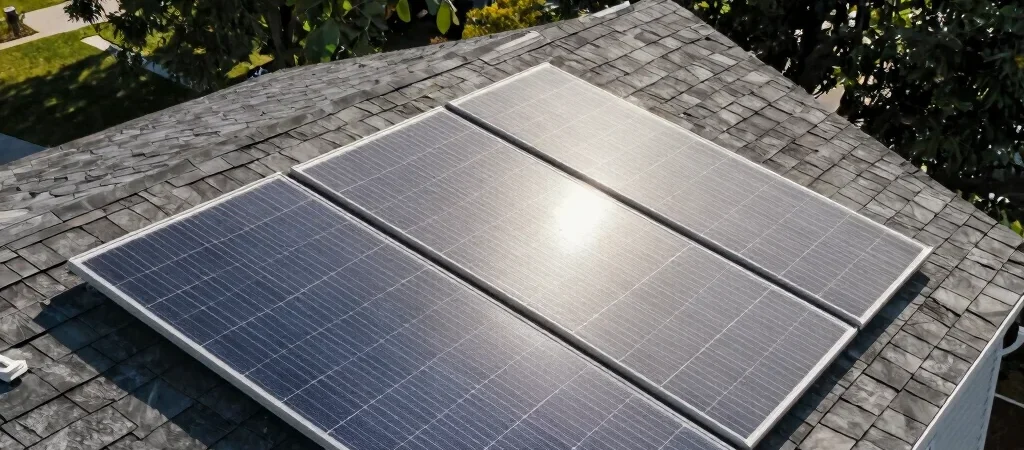
A roof can look sunny from the driveway and still be a complicated place for solar. A chimney may cast a moving shadow, nearby trees may cover one section in the afternoon, or the best roof area may need repairs before equipment is installed. Start with the conditions on the roof, not a single rule of thumb about direction.
Look at sun and shade
Roof direction and pitch affect how sunlight reaches panels, but they are only part of the picture. A qualified assessment considers shading across the day and year, including shadows from trees, dormers, chimneys, and neighboring buildings. A roof that is not perfectly oriented may still have useful solar exposure.
The seasons matter. A deciduous tree may allow more light through in winter than in summer, while the sun’s path changes over the year. If you are exploring the idea yourself, note which roof sections are shaded in the morning, around midday, and later in the afternoon.
Check the roof before panels
Solar equipment is intended to stay in place for years, so the roof’s condition deserves attention before installation. If shingles or other roofing materials are near the end of their useful life, it may be simpler to handle that work first rather than remove and reinstall panels later. A roofer can assess the roof; a solar installer can explain how the proposed layout fits it.
Usable area is not the same as total roof area. Setbacks, vents, skylights, roof edges, and access needs can limit where panels go. The practical question is how much suitable, relatively unshaded space remains after those constraints are considered.
Match production to household use
Electricity use helps put a roof assessment in context. Look at utility bills across different seasons and notice when the household uses the most power; air conditioning, electric heating, or charging a vehicle can change that pattern. A system’s potential production is more useful when compared with the electricity the home actually consumes.
Rules for connecting to the grid and receiving credit for excess electricity vary by utility and location, so roof suitability alone cannot answer every planning question. Bring together the roof’s shade and condition, your usage history, and local utility requirements. That gives you a clearer starting point than judging by roof direction alone.